One-Handed Utility

Indian cooking is busy. A tool that frees one hand is a workflow revolution, not just a gimmick.
Physical Design
Redefining the Egg Workflow in the Indian Kitchen.
A product design solution addressing the messy reality of cracking and peeling eggs in a high speed, one handed environment.
by : Anukriti Tripathi
Eggs are the universal protein in Indian households from quick morning omelets to Sunday egg curries.

A “clean crack” is a culinary skill that many home cooks and beginners struggle with.
One imprecise strike leads to shell fragments entering the pan, creating a physical hazard and an unappetizing experience.
The Hazard: Fragments are hard to spot in whisked yolks and can carry surface contaminants into the food.
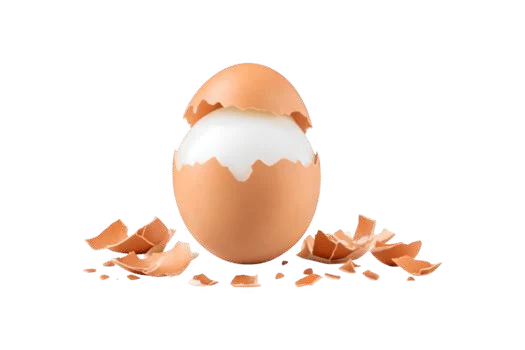
Peeling boiled eggs in the Indian context often involves fresh eggs which are notoriously difficult to peel without tearing the white.
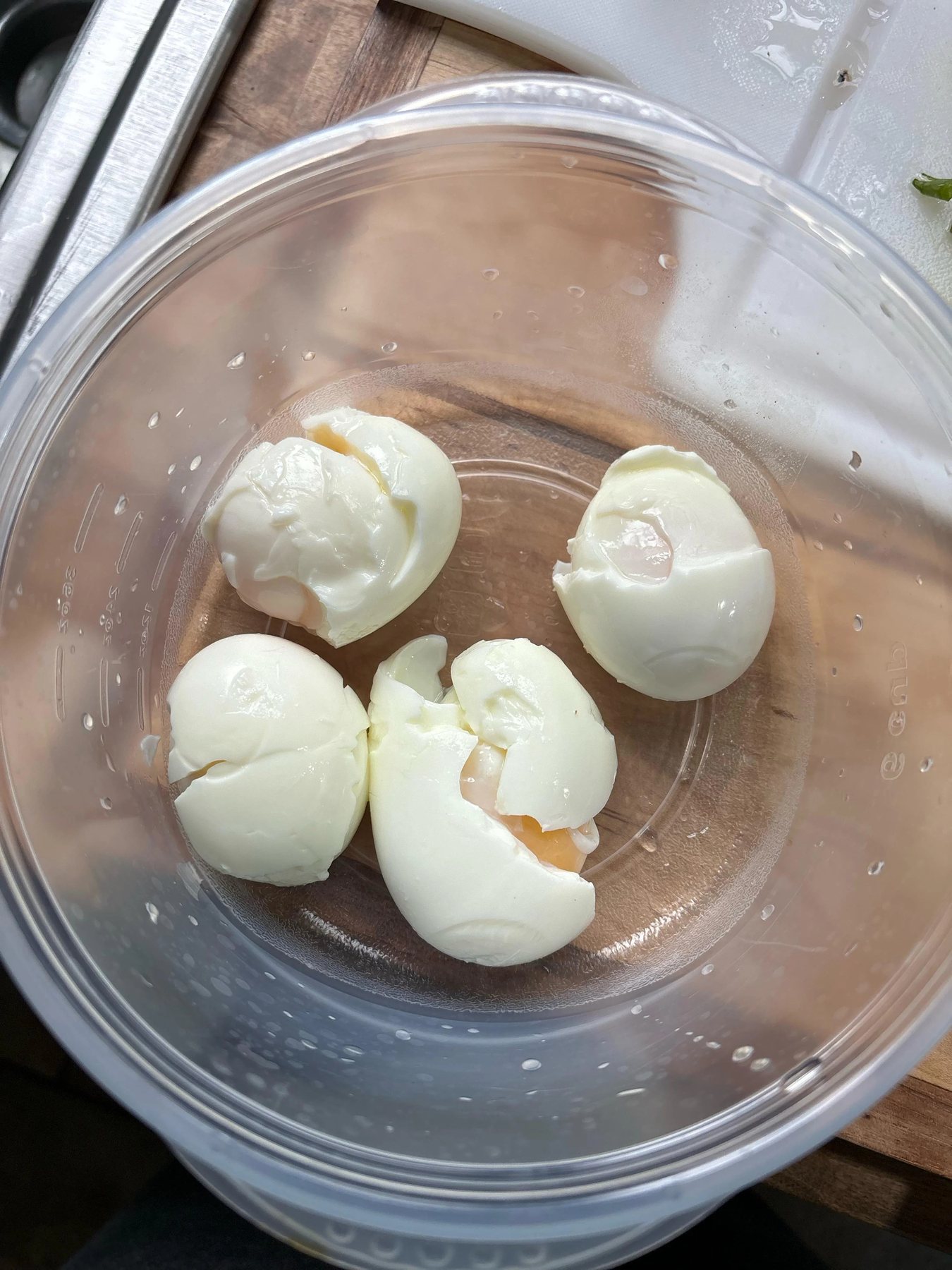
100 % Clean separation
To develop a handheld device that provides a controlled fracture for raw eggs and a membrane safe release for boiled eggs.
Home cooks, bachelor students, and large scale breakfast vendors (Rehri-walas).
Indian cooking is busy. A tool that frees one hand is a workflow revolution, not just a gimmick.

Zero contact between the shell exterior and the yolk ensures a safer, cleaner breakfast.

The gap is in versatility. Users need one tool for raw cracking AND boiled peeling.
I research mechanism and various product exist in this market
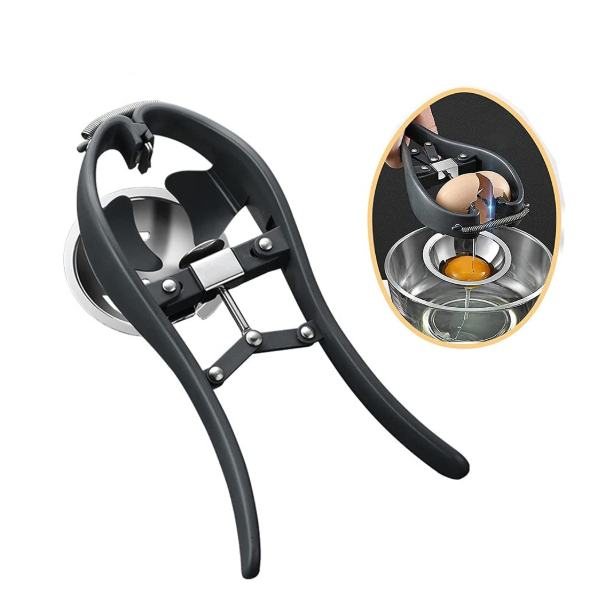
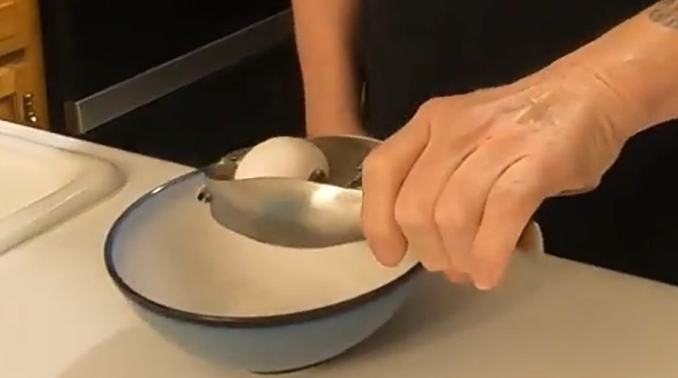
Working Principle:
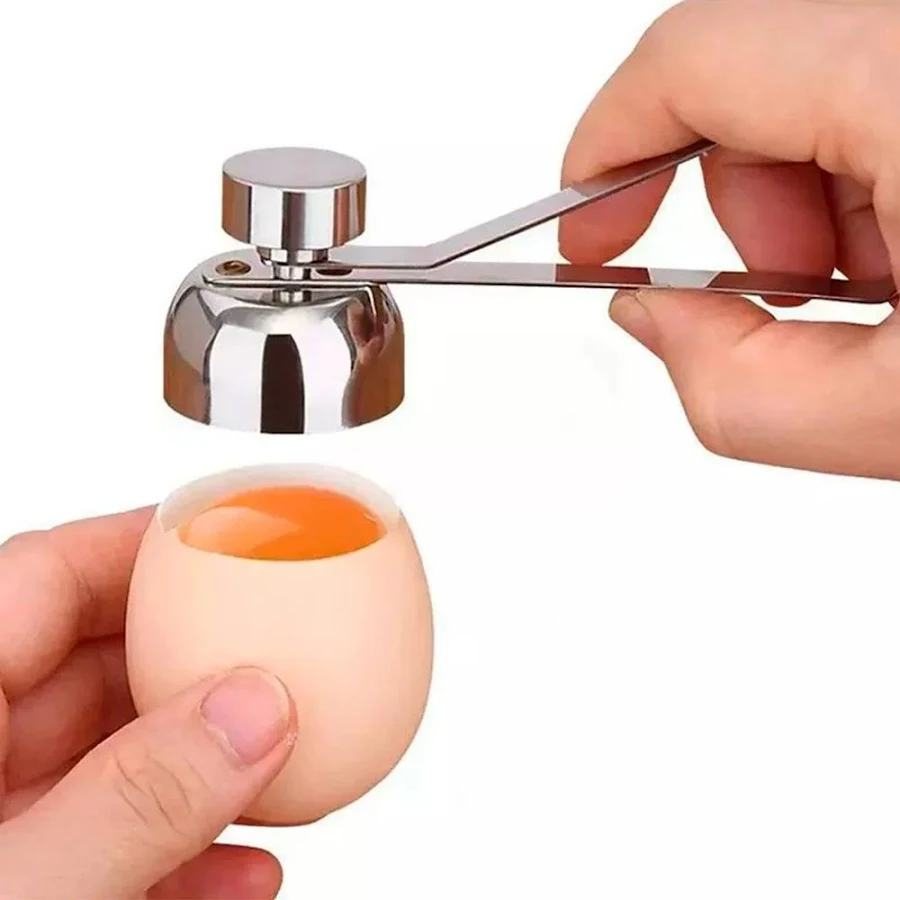
Working Principle:
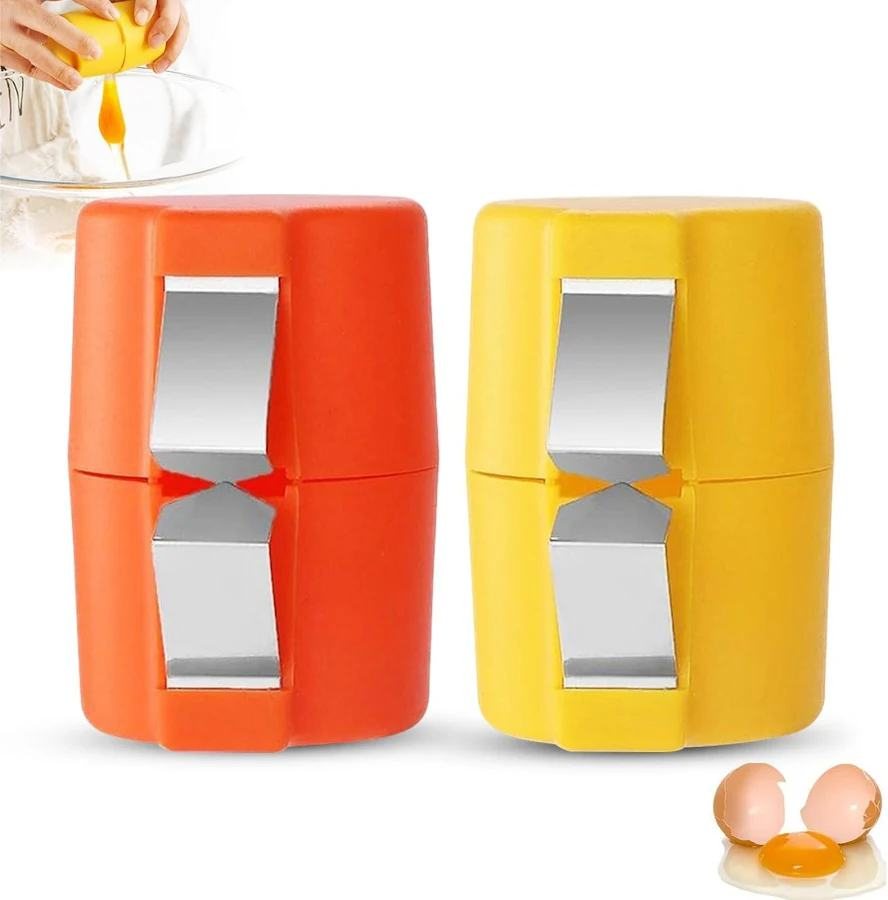
Working Principle:
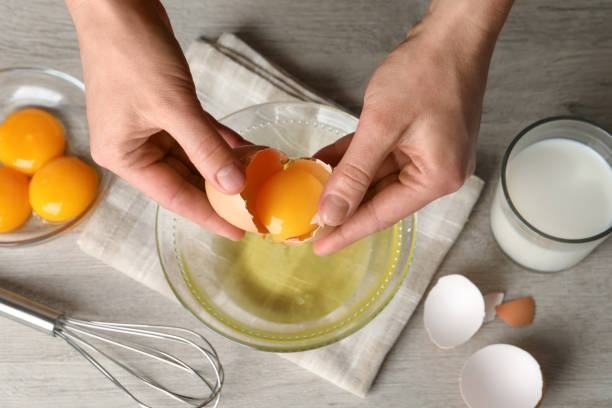
Working Principle:
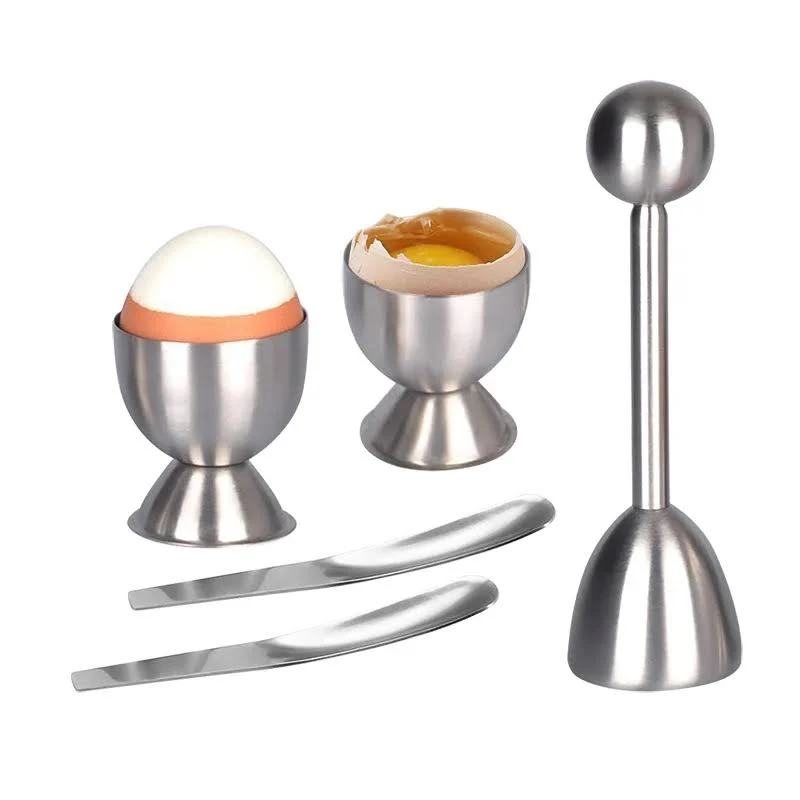
Working Principle:
I tested cracking mechanism based on circumferential stress
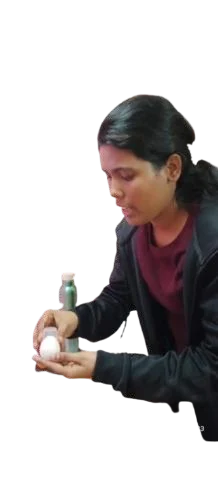
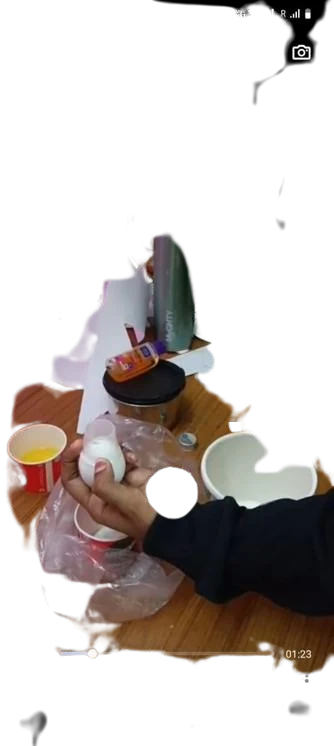
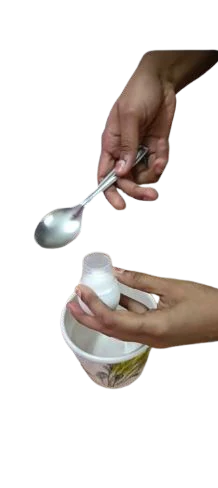
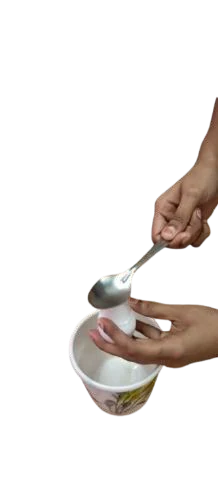
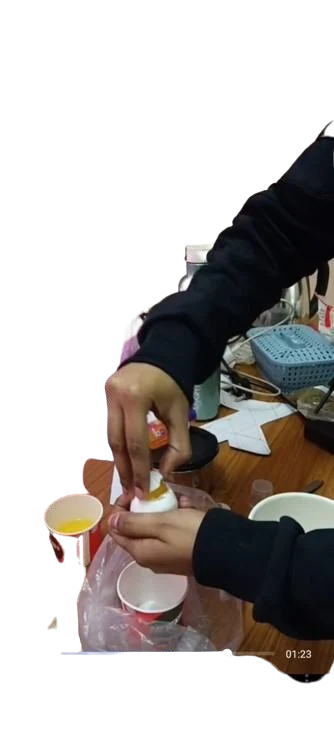
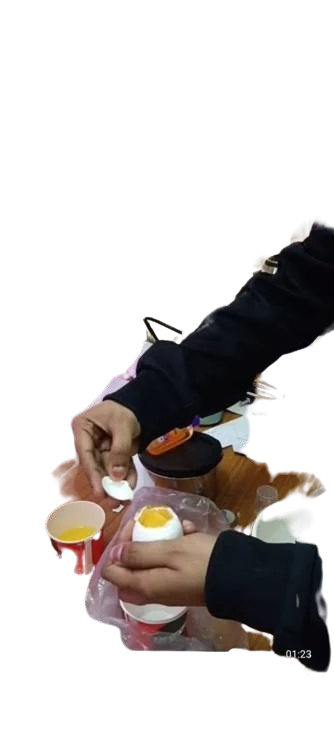
egg yolk without any shell fragment
I tested this working principle on 4–5 eggs.
Fun fact!!!! Some recipes require eggshells to be reused during cooking.
What if the circumferential stress principle could be operated with one hand?
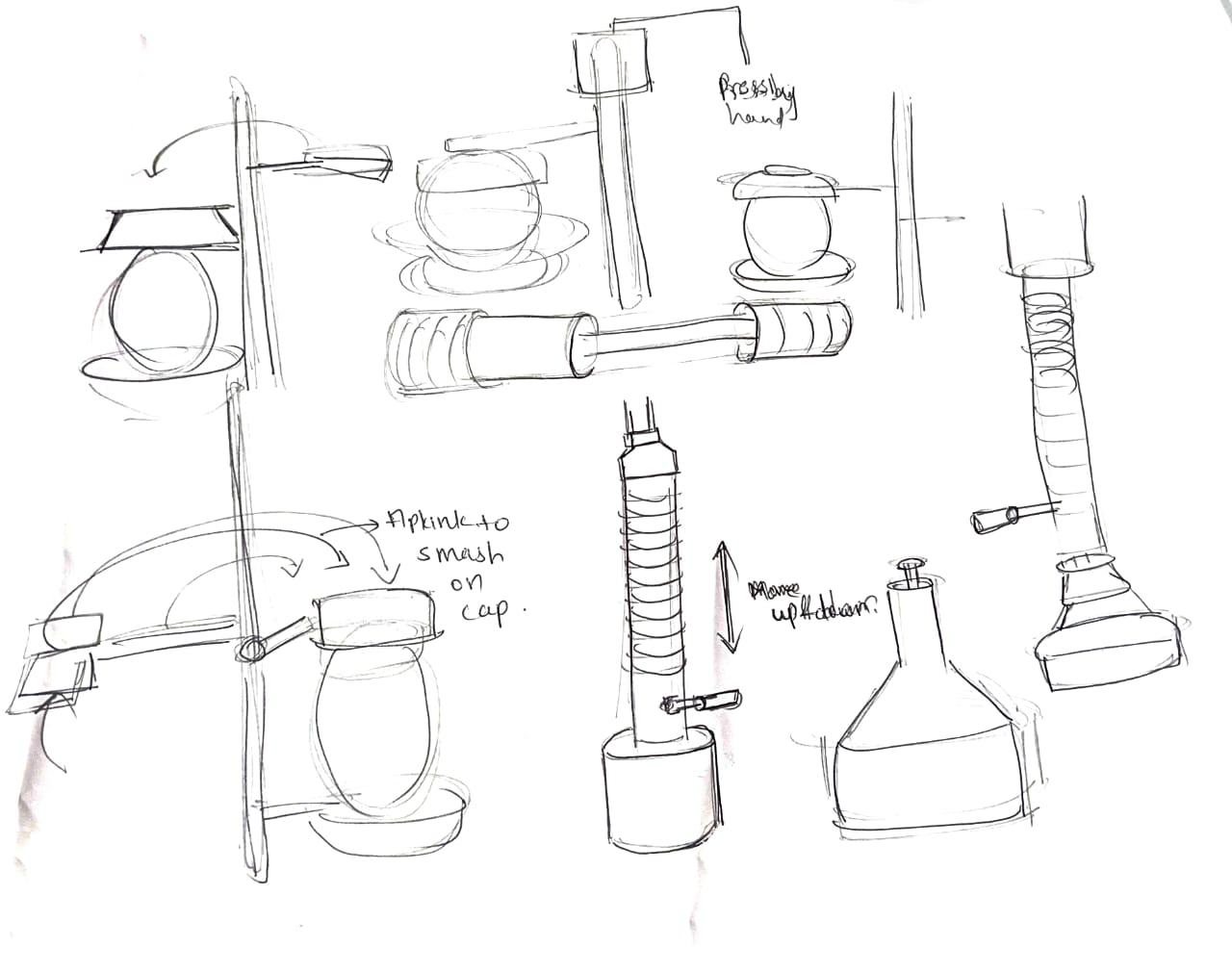
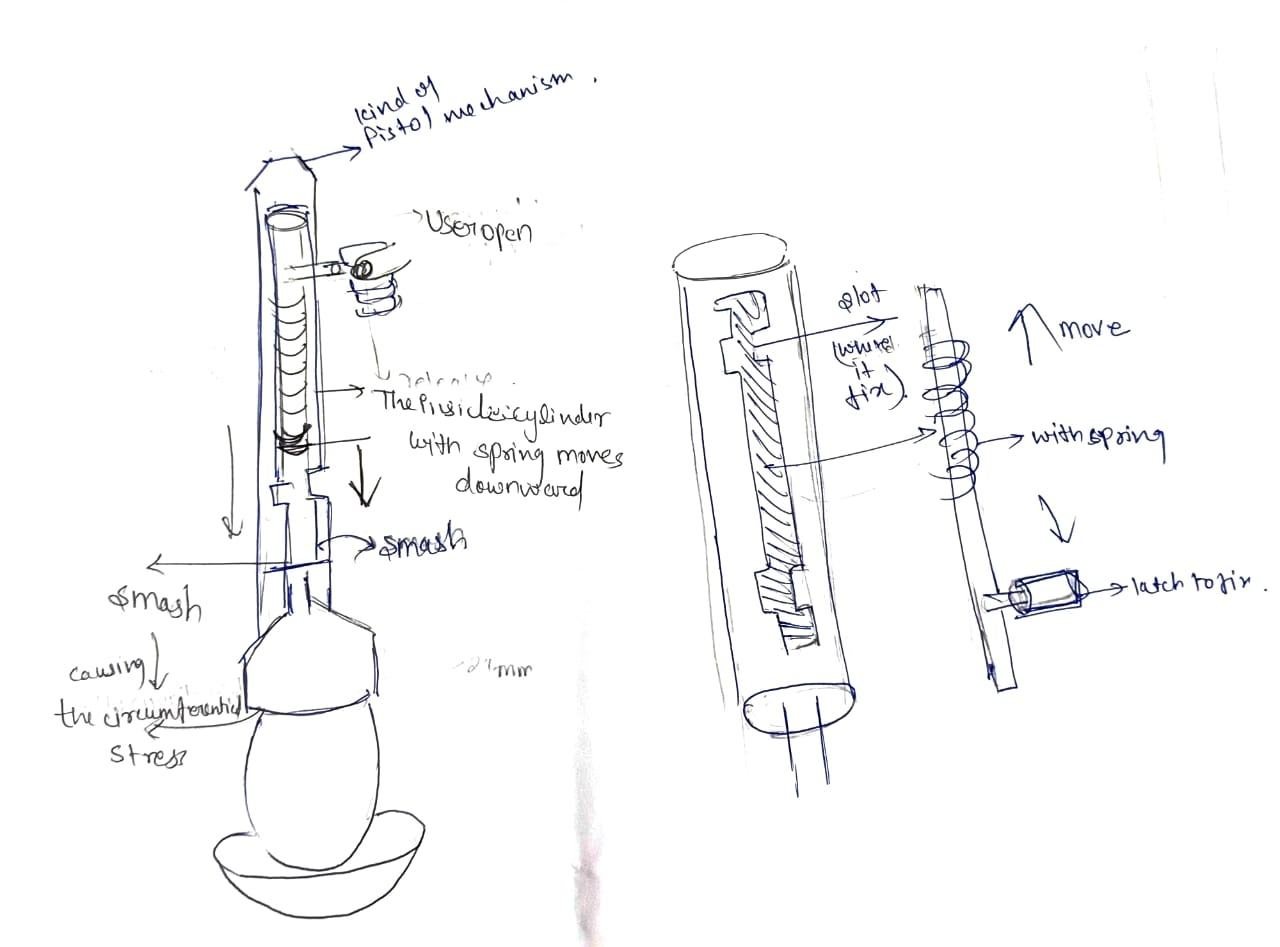
The vertical barrel design allows for a steady, one handed grip, providing better control than traditional horizontal cracking methods.
Serves as the housing and guide for the internal motion.
A weighted piston that delivers the kinetic energy.
The energy storage unit of the system.
A side mounted pin that holds the rod in a high potential energy state within a keyed slot.
The user pulls the side latch upward through the “J” or “L” shaped slot compressing the internal spring.
The latch is rotated into a notch to hold the tension, similar to a bolt action mechanism.
The flared bottom cap is placed over the egg (raw, semi-boiled, or boiled).
Releasing the latch allows the spring to expand rapidly, driving the rod downward at high velocity.
The rod hits the bottom circular plate, which transfers a uniform ring of force to the eggshell.
Vision of ideation is that it can be use by single hand
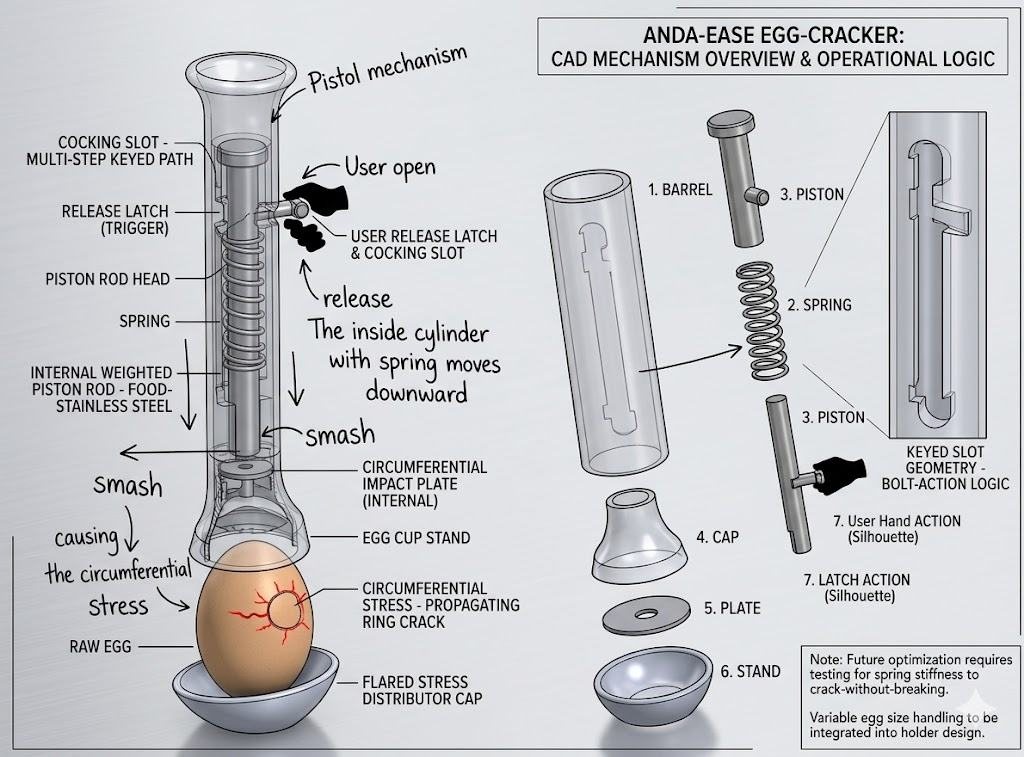
Spring stiffness (k): A critical unknown; the spring must be strong enough to crack the shell but not so stiff that it crushes the entire egg.
Energy Calibration: Research suggests an impact energy of 12-26 mJ is ideal for a clean crack.
he Formula: We must solve for U= 1/2kx^2
Next Steps: Testing with various spring gauges and adjustable compression slots to accommodate different egg sizes and shell thicknesses.